EMT I Exam Practice - Airways

EMT I Exam Practice - Airways
Take the quiz now
Go
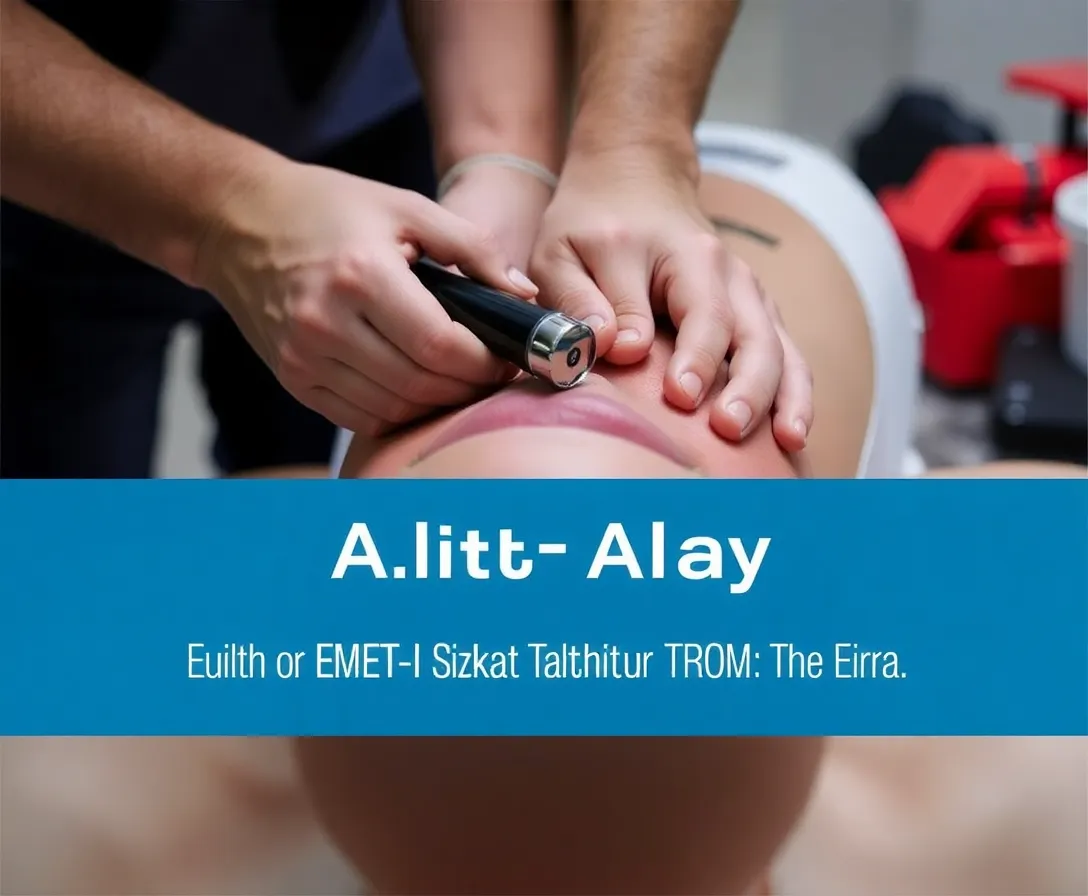
Enhance your preparation for airway management with our EMT-I practice exam.

Character Test

1. Hyperventilation is associated with what condition?

Low blood carbon dioxide
Enhanced brain perfusion

2. What primarily influences the control of breathing?

Carbon dioxide levels in the blood
Oxygen saturation in the bloodstream

3. In unconscious patients, what is the most frequent cause of airway obstruction?

The tongue
Foreign objects like small toys

4. Which respiratory pattern is noted by irregular breathing with pauses?

Biot's respiration
Cheyne-Stokes breathing

5. What describes deep, rapid breathing?

Central neurogenic hyperventilation
Agonal breathing

6. What is the ideal flow rate for a nasal cannula?

6 L/min
10 L/min

7. Where is pressure applied during the Sellick maneuver?

Cricoid cartilage
Thyroid cartilage

8. What is the primary challenge when using a bag-valve-mask device?

Maintaining seal
Regulating ventilation rate

9. What’s the term for a flexible catheter used for suctioning detail-level areas?

Whistle-tip
Yankauer

10. When suctioning an adult, what is the maximum time to apply suctioning?

15 seconds
20 seconds

11. When should suction be activated?

On catheter extraction
On both insertion and extraction

12. From where should a nasal airway be measured?

Tip of nose to earlobe
Tip of nose to chin

13. In evaluating an endotracheal tube, what does the size indicate?

Internal diameter
External diameter

14. When using a straight blade for intubation, where should the blade tip go?

Under the epiglottis
In the vallecula

15. What benefits are noted from using a curved blade?

Better glottic exposure
Reduced need for a stylet

16. For curved blade intubation, where is the blade tip placed?

In the vallecula
Under the epiglottis

17. How much air should the distal cuff of the ET tube hold?

10 to 20 mL
20 to 30 mL

18. After intubation, right lung sounds are heard, suggesting what?

Right mainstem intubation
Left pneumothorax

19. What’s the next step if only right lung sounds are detected post-intubation?

Withdraw tube slightly
Inflate cuff further

20. To achieve the sniffing position, how should you position the head?

Extend head, flex neck
Flex head, extend neck

21. During intubation, which hand holds the laryngoscope and where does it enter?

Left hand, right side
Left hand, left side

22. Post-tube placement, if no lung sounds but epigastric gurgling is heard, where is the tube?

Esophagus
Right mainstem bronchus

23. Following tube misplacement in the esophagus, what should be done?

Remove the tube and re-attempt
Secure the tube

24. Preferred intubation method lacking special equipment is called?

Orotracheal
Transluminal

25. Nasotracheal intubation is suitable for which condition?

COPD
Basilar skull fracture

26. What does capnography measure?

Exhaled CO2 levels
Oxygen concentration in tissues

27. What should an esophageal detector do if the ET tube is correctly placed?

Reinflate easily
Remain collapsed
Want to Discover Shapes of Life? Try Me.bot
Discover The Unexpected and Find Incredible Inspirations
Loved by Our Users
The EMT-I Exam Practice on Airway Management helped boost my confidence immensely. The questions were comprehensive and well-aligned with real exam scenarios.
A fantastic resource! The airway management practice questions are exactly what I needed to sharpen my skills and prepare effectively for the EMT-I exam.
This exam practice targeted precisely the areas I needed improvement in, especially in airway management. Highly recommend for anyone preparing for the EMT-I exam.

Frequently Asked Questions

What topics are covered in the EMT I Exam Practice - Airways?
The EMT I Exam Practice - Airways focuses on critical airway management skills necessary for emergency medical technicians, including procedures for intubation, suctioning, and ventilation support.
How does the EMT I Exam Practice - Airways help improve my skills?
This practice exam assists in sharpening your airways management techniques by providing tailored questions and scenarios that mimic real-life situations, aimed at enhancing your competency and readiness.
Who should take the EMT I Exam Practice - Airways?
The EMT I Exam Practice - Airways is designed for EMT students and professionals who wish to solidify their knowledge and proficiency in airway management techniques, ensuring they are well-prepared for certification exams.
What is the format of the EMT I Exam Practice - Airways?
The practice exam consists of multiple-choice questions that test your understanding of various airway management procedures and principles, mirroring the format of standard EMT assessments.
How can I maximize my preparation with the EMT I Exam Practice - Airways?
To maximize your preparation, regularly take the EMT I Exam Practice - Airways, review explanations for each answer, and supplement your study with additional resources on airway management techniques.
Explore All Quiz