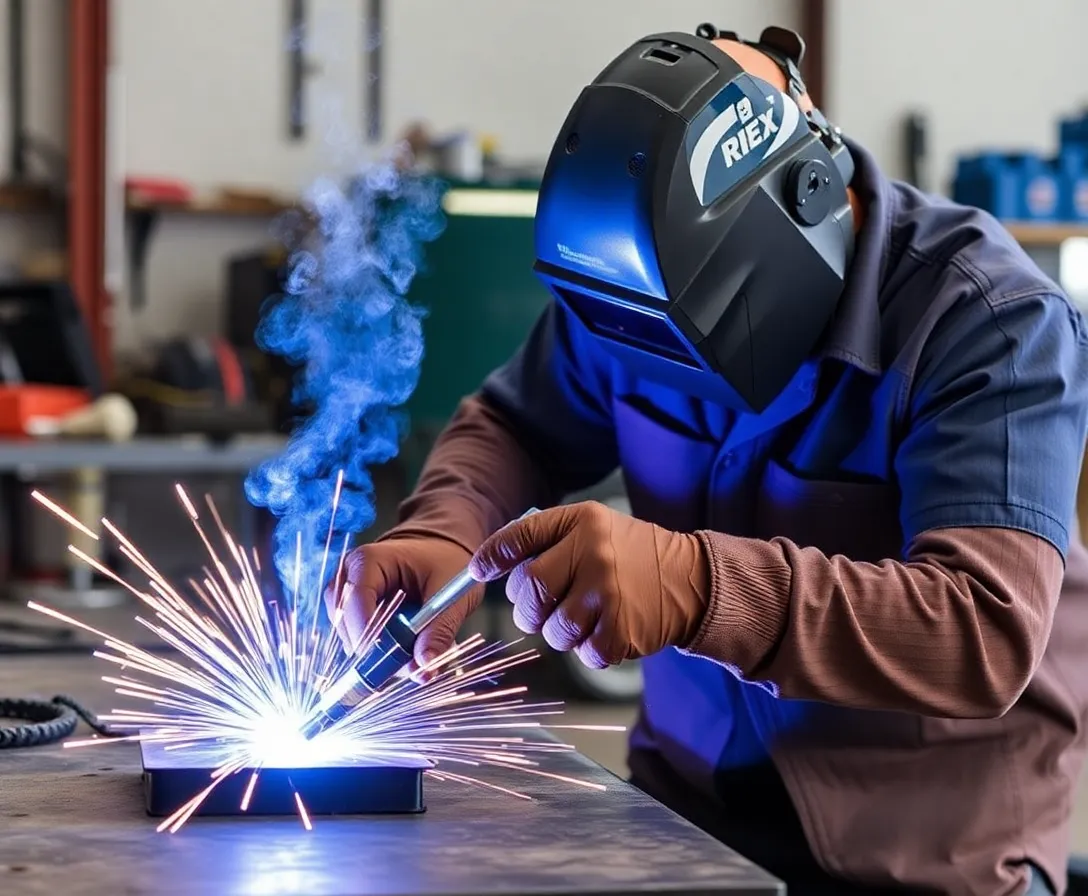
Ag Welding/Mechanics General Safety Test

Ag Welding/Mechanics General Safety Test
Take the quiz now
Go
This test is designed to confirm that all students possess the necessary safety knowledge to access the shop safely.

Character Test

1. What is the primary use of Fire Extinguisher Type A?

Wood and paper fires
Electrical fires
Gasoline fires

2. Who should be notified immediately in case of an accident?

Instructor
Classmate
No one

3. What should you do when tools are no longer needed?

Return to storage
Leave on your desk
Give to a friend

4. Keep what on when moving oxygen cylinders?

Valve caps
Lights
Radio

5. Which welding process uses a non-consumable electrode?

Gas Tungsten Arc Welding
Shielded Metal Arc Welding
Submerged Arc Welding

6. How should small metal pieces be handled during drilling?

Clamped
Tapped
Rolled

7. Where should oily rags be disposed?

Closed metal container
Trash can
Sink

8. What can result from running and misbehavior in the lab?

Injury
Laughter
More work

9. Which is an example of improper tool use?

Using a pen in a vise
Reading instructions
Cleaning tools

10. What should a student do if an emergency occurs and the instructor is unavailable?

Call for help
Wait quietly
Ignore it

11. How should a vehicle be lifted safely?

Use jack stands
Push gently
Jump up and down

12. When should eye protection be worn?

Always in lab
Only with certain tools
Never

13. Which type of eye protection is considered proper?

Safety glasses
Regular glasses
None of these

14. What category of fire extinguisher is suitable for gasoline fires?

Category B
Category A
Category D

15. What is a hazard associated with running vehicles?

Hot exhaust system
Radio noise
Clean seats

16. Always use what when operating machinery?

Proper technique
Worn gloves
Loose clothing

17. What should you do if a machine malfunctions?

Inform the instructor
Keep using it
Walk away quietly

18. Which extinguisher might worsen a gasoline fire?

Category A
Category B
Any type

19. If the lights go out, what should you do?

Stop and wait
Run away
Ignore

20. What should you do if you get something in your eye?

Use eyewash
Rub vigorously
Ask a friend

21. Before using tools or equipment, check with:

Instructor
Your phone
Custodian

22. For chemical safety, always check:

Labels
Color
Shape

23. What is PPE?

Personal Protective Equipment
Public Protection Effort
General Wear

24. MSDS is an abbreviation for?

Material Safety Data Sheets
Musical Safety Data Sheets
Metal Safety Data Source

25. Maintain what gap size from the wheel in machines?

1/8 inch
1/4 inch
1 inch

26. When storing cylinders, always keep them:

Valve caps on
Free-standing
In sunlight

27. Small metal pieces should be:

Clamped while drilling
Scattered
Stacked

28. What is a common route of exposure to hazards?

Inhalation
Touch
Listening

29. Which injuries should you report?

All injuries
Minor scratches
Only serious injuries

30. You can leave the lab:

With permission
Whenever
During break

31. What is not allowed in the lab?

Horseplay
Working focused
Asking questions

32. Unsafe shop clothing includes:

Loose and baggy
Fitted
Bright colors

33. Loud noises in the lab cause others to be:

Prone to accidents
Energetic
Bored

34. The orange safety color denotes what?

Warning
Excitement
Rest

35. If a student is under the influence, you should:

Notify the instructor
Offer support
Ignore it

36. Essential PPE for bench grinder operation includes:

Safety glasses
Flip flops
Ear plugs

37. What does the Z-87.1 emblem on safety glasses indicate?

Industry quality
Brand
Color

38. Rushing lab work may cause:

Failure
Completion
Fame
Want to Discover Shapes of Life? Try Me.bot
Discover The Unexpected and Find Incredible Inspirations
Loved by Students and Instructors Alike
The Ag Welding/Mechanics General Safety Test was comprehensive and ensured I had all the safety knowledge required to safely access the shop. It's a must for anyone in the program.
This safety test is an essential tool for confirming students' understanding of necessary safety protocols in welding and mechanics. It highlights vital safety aspects of accessing the shop.
Taking the Ag Welding/Mechanics General Safety Test gave me confidence in my safety knowledge, ensuring my shop experience is both safe and informed.

Frequently Asked Questions

What is the purpose of the Ag Welding/Mechanics General Safety Test?
The purpose of the Ag Welding/Mechanics General Safety Test is to verify that students understand the essential safety procedures required for shop access.
Who should take the Ag Welding/Mechanics General Safety Test?
Students who are preparing to enter the shop and need to demonstrate their knowledge of safety protocols should take the Ag Welding/Mechanics General Safety Test.
What topics are covered in the Ag Welding/Mechanics General Safety Test?
The Ag Welding/Mechanics General Safety Test covers crucial safety aspects that students must know before working in the shop environment.
How can students prepare for the Ag Welding/Mechanics General Safety Test?
Students can prepare for the Ag Welding/Mechanics General Safety Test by reviewing safety guidelines and practicing safe procedures in a supervised setting.
Why is the Ag Welding/Mechanics General Safety Test important?
The Ag Welding/Mechanics General Safety Test is vital as it ensures students are knowledgeable about safety practices, reducing the risk of accidents and promoting a safer work environment.
Explore All Quiz